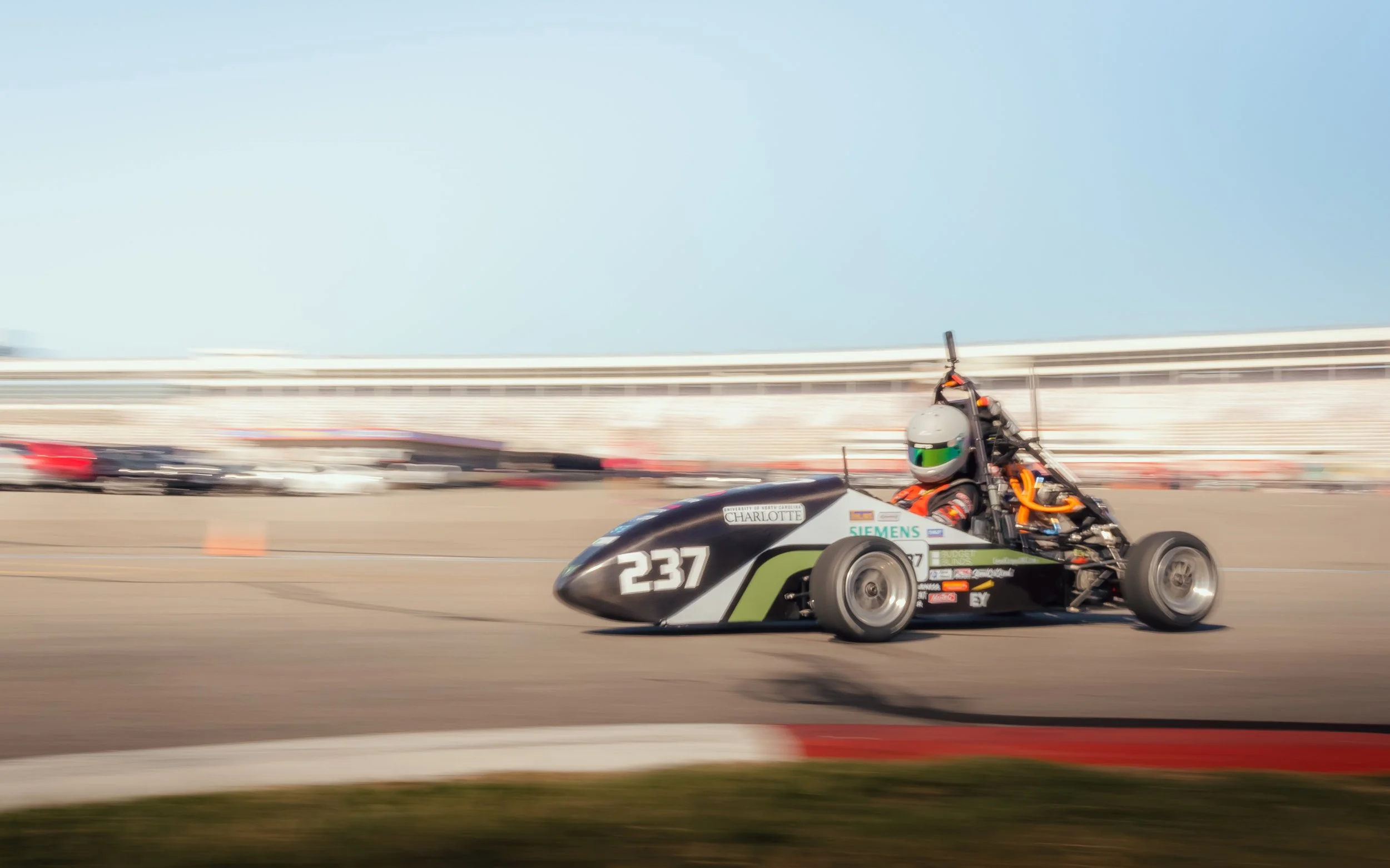
Formula SAE (FSAE) is a collegiate engineering competition held by SAE International, where university teams design, build, and compete with a small, open-wheel race car every year at Michigan International Speedway. The goal is to create a vehicle that could be produced for the non-professional racing market, balancing performance, safety, cost, and engineering quality.
Teams are judged in two main areas:
Dynamic events – on-track performance such as acceleration, skid-pad, autocross, and endurance
Static events – engineering design, cost analysis, and business presentation
FSAE has multiple classes, including FSAE Electric, where teams develop high-voltage electric powertrains and advanced control systems.
WHat is FSAE?
Technical Inspection
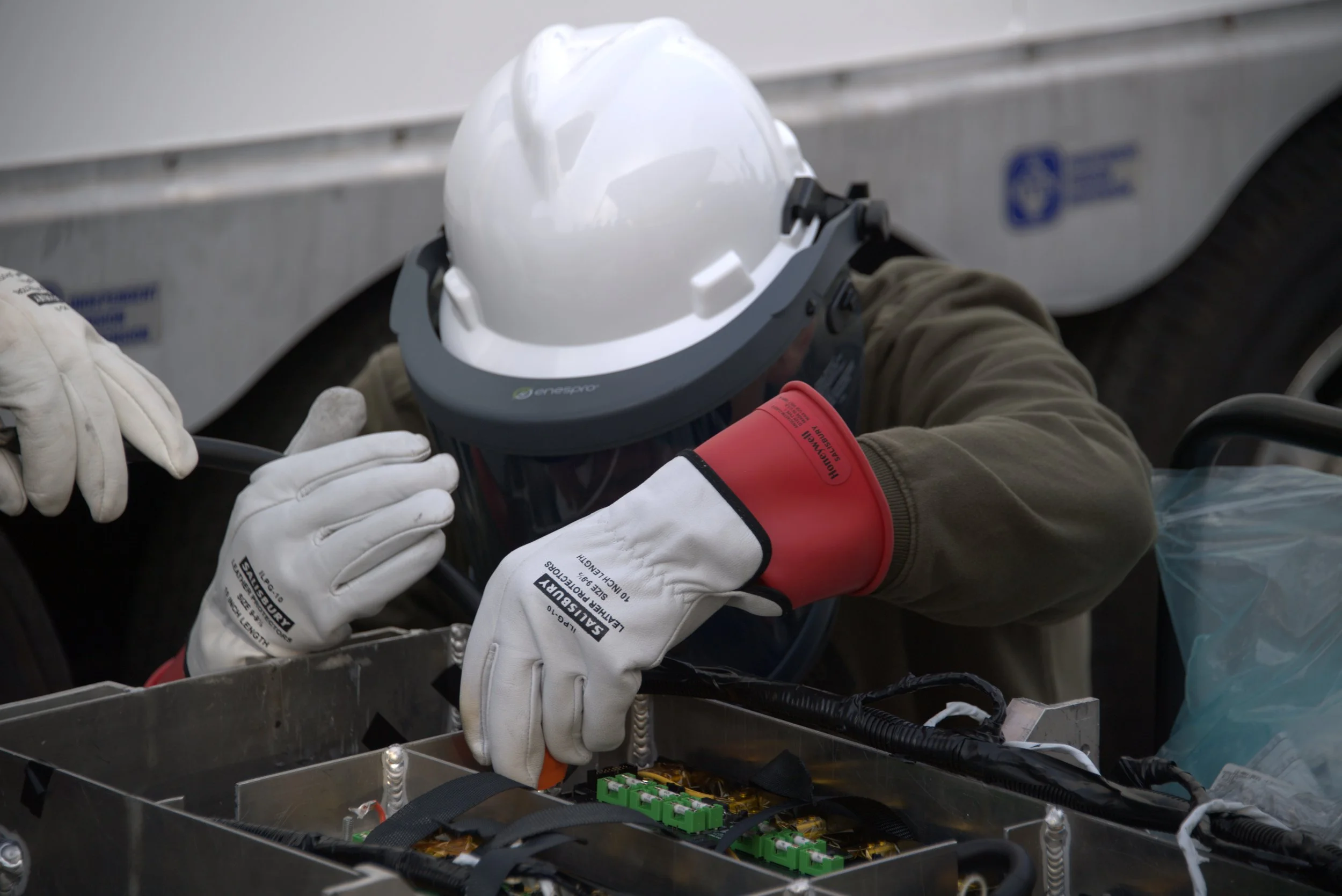
Technical Inspection ensures that each Formula SAE vehicle meets all competition rules and safety requirements before entering dynamic events. The inspection process covers both mechanical and electrical systems, verifying structural integrity, braking, steering, high-voltage safety, and control systems. Passing technical inspection confirms that the car is safe, compliant, and ready to compete on track.
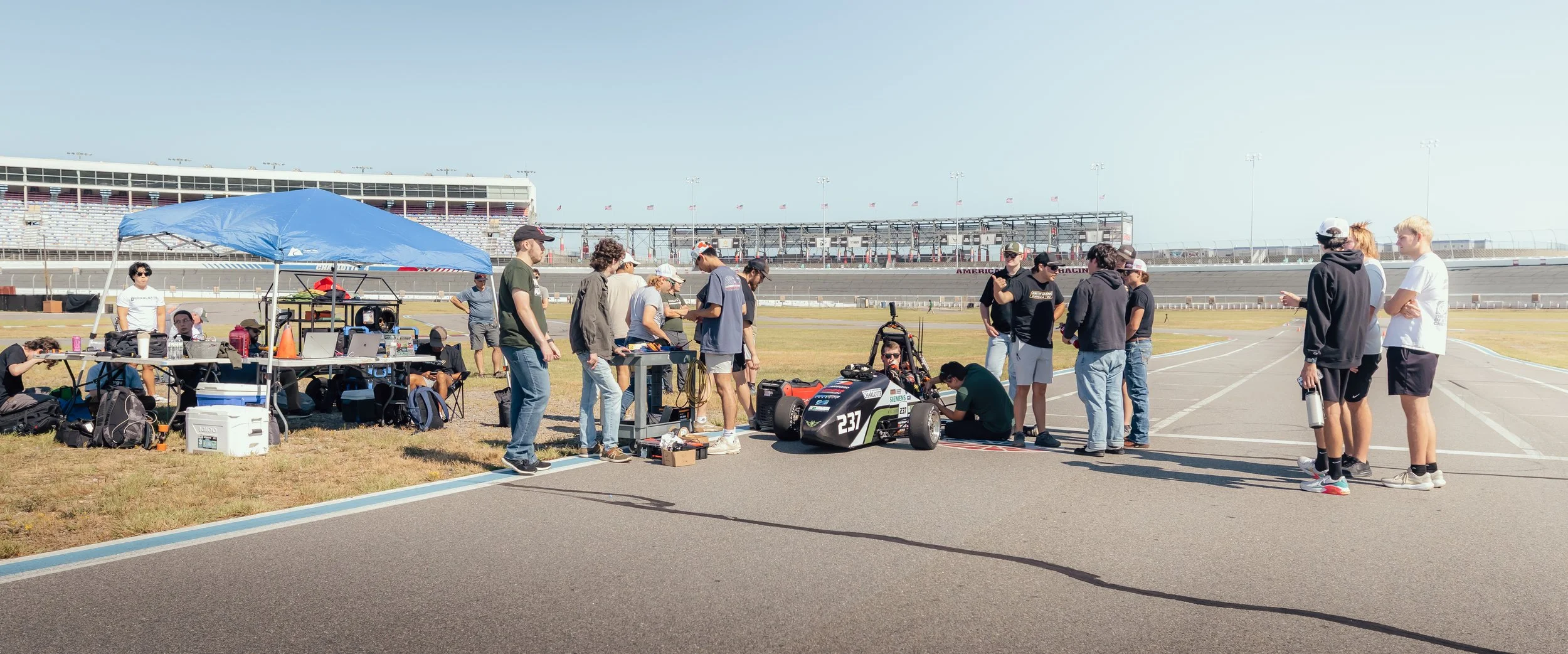
Competition Events
-
The Acceleration Event challenges Formula SAE Electric vehicles to deliver maximum performance over a straight-line sprint. Starting from a standstill, each car must travel 75 meters as quickly as possible, showcasing the team’s electric powertrain design, traction control, and vehicle dynamics. Success in this event highlights efficient torque delivery, precise control, and the seamless integration of motor, inverter, battery, and chassis systems.
-
The Skidpad Event evaluates a vehicle’s lateral grip, balance, and suspension performance. Cars navigate a figure-eight course consisting of two constant-radius turns in opposite directions. The fastest average time demonstrates optimal tire utilization, precise suspension tuning, and consistent handling, highlighting the team’s ability to maximize cornering performance and vehicle stability.
-
The Autocross Event evaluates a vehicle’s responsiveness, balance, and overall performance on a compact, technical course. The layout combines short straights with a variety of corner types, requiring precise acceleration, braking, and steering control. Strong performance demonstrates effective vehicle integration, stable handling, and confident driver control under changing conditions.
-
The Endurance Event is the most demanding on-track competition, testing a vehicle’s reliability, efficiency, and sustained performance. Cars complete a long-distance course designed to simulate real-world driving conditions, combining acceleration, braking, and cornering over an extended run. Success in this event highlights robust system design, energy management, thermal control, and consistent driver performance.
-
The Cost Event evaluates a team’s ability to design and manufacture a competitive vehicle within realistic financial constraints. Teams are judged on detailed cost documentation, manufacturing processes, and design decisions that balance performance, reliability, and efficiency. Strong results reflect thoughtful engineering choices, effective resource management, and a clear understanding of production considerations.